Investor overview · Prelaunch
Above Average Joe is raising a small round to finish a studio, bank ten episodes and launch a video first interview show. This page is the honest version: what it costs, what it could earn, and what has to be true for any of it to work.
This is a prelaunch venture. No episodes have been released, no audience is claimed, and every figure below is an assumption, not a forecast.
Men read and watch enormous amounts of this material, but the shelf is split between legacy masculine brands with weak video and interview giants who depend on celebrity guests. Almost nobody is making documentary grade video about ordinary men.
The third figure is the one that matters most. This is a compounding business, not a launch quarter business, and any plan that pretends otherwise should be discounted.
Why this founder
Most first time shows fail on production, not on ideas. Tyler has spent close to a decade shooting, editing and distributing documentary work by himself, and selling integrated sponsorship against it.
| Line | How it works | Realistic timing |
|---|---|---|
| Integrated sponsorship | One or two brand partners per season, woven into the show. | Before launch |
| Founding memberships | Direct support, early cuts and the private feed. | Before launch |
| YouTube and audio ads | Programmatic and host read inventory as reach grows. | Month 6 to 12 |
| Live and merchandise | A room, a night, a small run of goods. | Year 2 |
The mistake most shows make is modelling advertising first. At this scale a single integrated partner is worth more than a year of programmatic.
The model
Monthly sponsorship is impressions divided by 1,000, times realized CPM, times sold placements, times episodes published. YouTube assumes a 55 percent creator share. Everything recalculates live.
One time launch budget
| Cameras, lenses and media | $5,000 |
| Audio: mics, arms, interface | $2,500 |
| Studio treatment and build | $2,500 |
| Set: timber wall, chairs, table | $1,500 |
| Lighting and grip | $1,000 |
| Edit machine and storage | $2,000 |
| Brand, legal and admin | $1,000 |
| Pilot and travel | $2,000 |
| Contingency | $2,500 |
| Total | $20,000 |
Monthly operating cost
| Software and hosting | $180 |
| Insurance | $150 |
| Music and stock licensing | $40 |
| Buffer | $130 |
| Total | $500 |
Editing is Tyler's own time, and the room sits inside a warehouse he already controls. Both are real costs, neither is cash out of the round.
Use of funds
The show runs on a fixed weekly rhythm, because a schedule that depends on inspiration is a schedule that breaks. Ten episodes are finished before the first one goes out.
Monday
Record. One guest, one hour, two cameras.
Tuesday to Thursday
Cut the episode, cut six short clips, build the artwork.
Friday
Publish the full episode and release the clips across the week.
Before launch
A full season in the bank, so the schedule never slips.
Between seasons
A short break to cast and record the next ten.
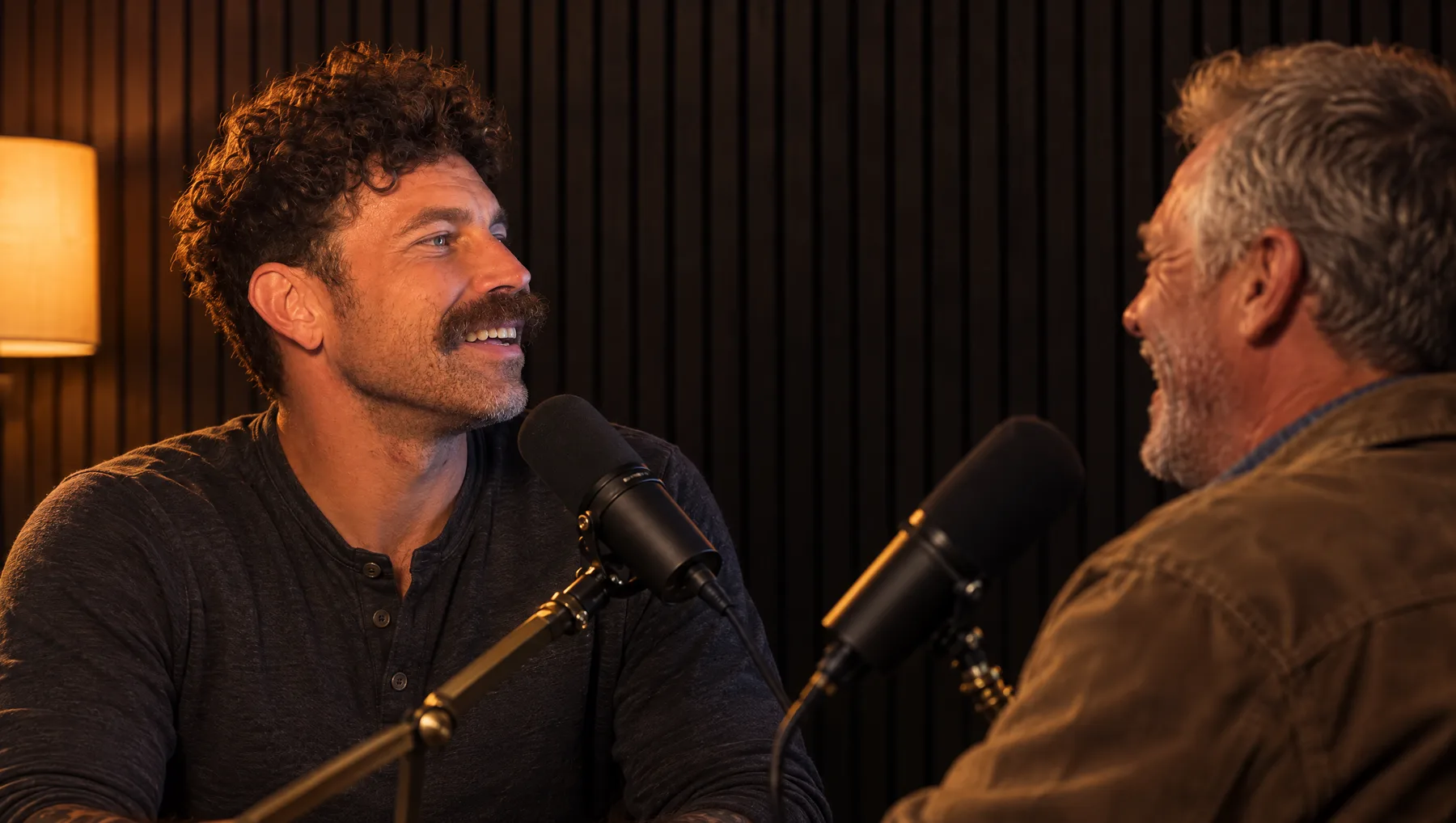
The room
| Walls | Black stained slat timber |
| Light | Single 2700K practical |
| Cameras | Two angles, shallow depth |
| Audio | Two dynamic mics, brass arms |
| Location | Oakhurst, Sierra foothills |
Studio concept. The room is being built, not yet finished.
| Scenario | Year one | Year two | Year three |
|---|---|---|---|
| Conservative | $0 | $6,000 | $18,000 |
| Base | $4,000 | $38,000 | $140,000 |
| Upside, not the expectation | $18,000 | $150,000 | $520,000 |
These are illustrative annual gross revenue figures built on the assumptions above, not forecasts. The upside case assumes at least one episode breaks out well beyond the channel's current reach. Plan on the base case.
Investment opportunities
Most checks in this round will be tens of thousands, not hundreds of thousands. Small, patient money from people who like the show is a better fit than a fund. Tell him what you are thinking and he will send the deck.
Nothing on this page is an offer to sell securities. Terms, entity structure and any revenue share will be documented properly with a lawyer before money moves.